
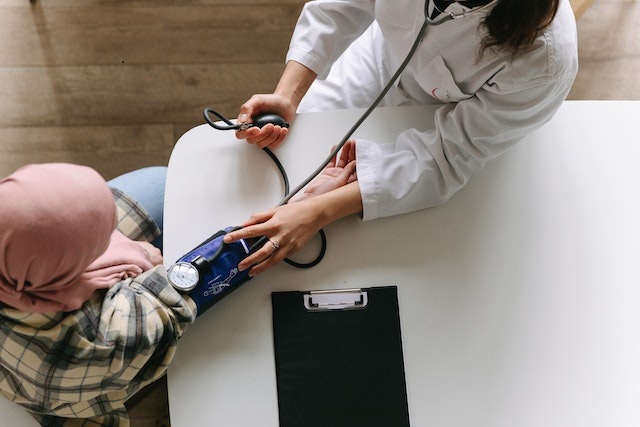
how to lower blood pressure?
There are several lifestyle changes that can help lower blood pressure:
Eating a healthy diet that is low in salt and high in fruits and vegetables
Exercising regularly
Maintaining a healthy weight
Limiting alcohol consumption
Quitting smoking
Managing stress through techniques such as meditation or yoga.
It is also important to consult with a healthcare provider to determine if medication is necessary and to monitor blood pressure regularly.
It is important to note that some people have hypertension due to underlying medical conditions such as kidney disease, diabetes, or sleep apnea, so it is important to work closely with a healthcare provider to manage blood pressure.
how to control blood pressure?
Controlling blood pressure involves making lifestyle changes and, if necessary, taking medication as directed by a healthcare provider. Here are some steps you can take to help control your blood pressure:
Maintain a healthy diet: Eating a diet that is low in salt and high in fruits and vegetables can help lower blood pressure.
Exercise regularly: Physical activity can help lower and control blood pressure. Aim for at least 30 minutes of moderate-intensity exercise, such as brisk walking, most days of the week.
Maintain a healthy weight: Being overweight or obese can increase your risk of high blood pressure. Losing even a small amount of weight can help lower blood pressure.
Limit alcohol consumption: Drinking too much alcohol can raise blood pressure. Men should have no more than two drinks per day, and women should have no more than one drink per day.
Quit smoking: Smoking can damage the blood vessels and increase blood pressure.
Manage stress: Stress can cause blood pressure to rise, so it’s important to find ways to relax, such as meditation, yoga, or deep breathing exercises.
Take medication as prescribed: If your healthcare provider prescribes medication to lower blood pressure, be sure to take it as directed.
Monitor your blood pressure regularly: Keep track of your blood pressure readings at home or at a clinic. This will help you and your healthcare provider understand if your lifestyle changes and medications are working effectively.
It is important to work closely with your healthcare provider to develop a personalized plan to manage and control your blood pressure.